Ergonomic Neck Support Pillows

Blog

Home

Blog

  • Blog Title:How a Good Sleep Mask Improves Your Sleep Quality on Travel & At Home
    Blog Title:How a Good Sleep Mask Improves Your Sleep Quality on Travel & At Home
    Oct 14, 2026
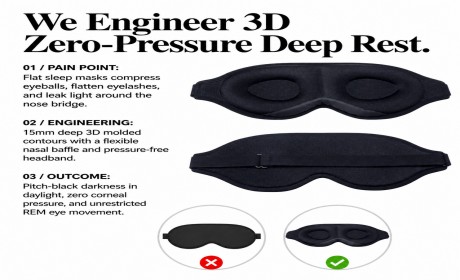
    Blog Title:How a Good Sleep Mask Improves Your Sleep Quality on Travel & At Home Blog content: Poor sleep is often caused by unexpected stray light, whether you are on a noisy long‑distance flight, taking a quick nap in the bright office, or staying in hotel rooms with leaking curtains. A high‑quality sleep mask becomes one of the most affordable sleep helpers. Traditional flat sleep masks press directly against your eyes and eyelashes, leading to discomfort after hours of wearing. Our 3D contoured memory foam sleep mask solves this pain point. Its hollow cup‑shaped design creates dedicated room for your eyes, so your eyeballs and lashes bear zero compression even for all‑night wear. Made of high‑density soft memory foam, it blocks nearly all outside light to create a dark sleeping environment to trigger your body’s natural sleep response. The adjustable metal buckle strap adapts to different head sizes, staying securely in place without tight soreness. Compact and portable, it slips easily into backpacks, handbags and luggage. It is not only for frequent travelers. Shift workers, office workers needing mid‑day rest, and light‑sensitive sleepers can all benefit from full blackout eyeshades to enjoy deeper, higher‑quality sleep every day.
    Read More
  • How to Choose the Best Sleep Mask: 3D Design, Cooling Fabric and Comfort Explained
    How to Choose the Best Sleep Mask: 3D Design, Cooling Fabric and Comfort Explained
    Oct 13, 2026
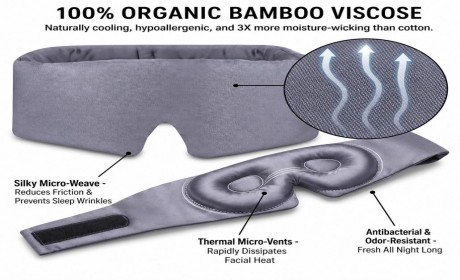
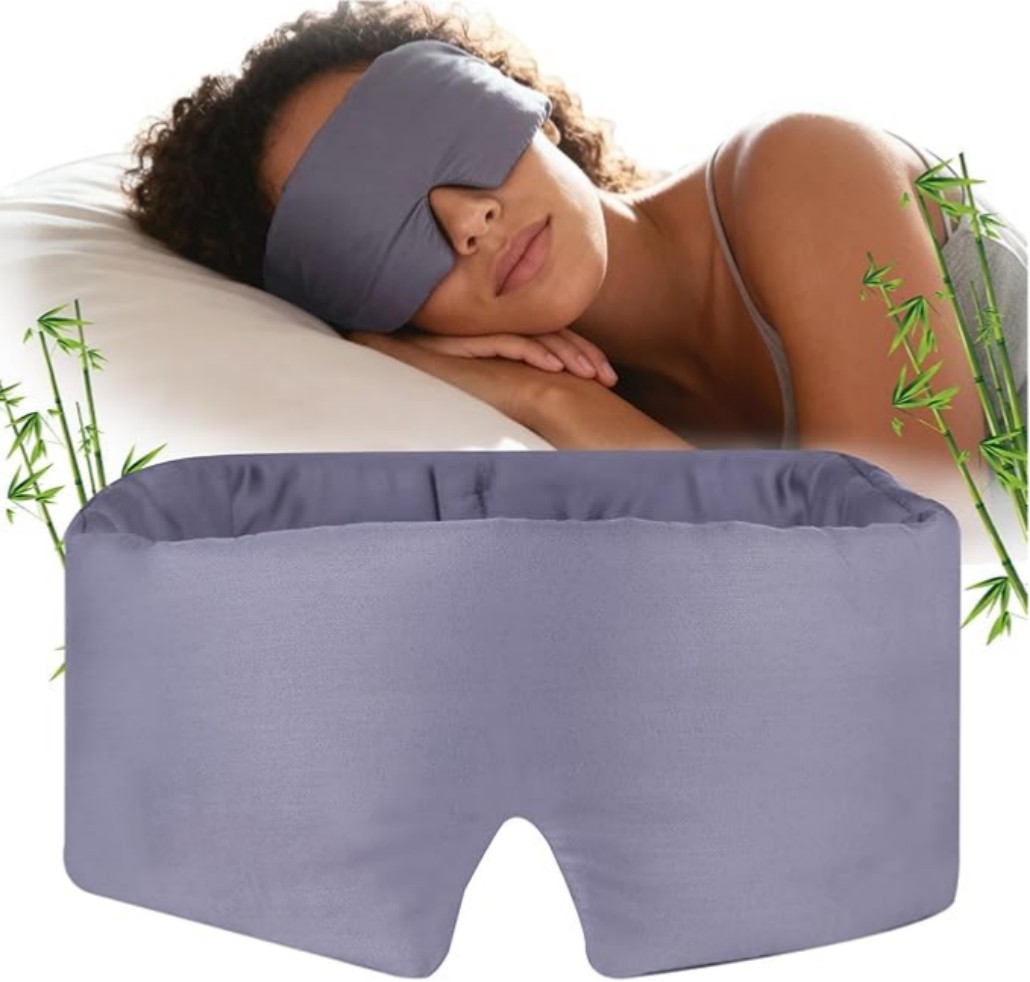
    How to Choose the Best Sleep Mask: 3D Design, Cooling Fabric and Comfort Explained A sleep mask may look like a simple accessory, but small design differences can greatly affect comfort. Fabric choice, eye space, breathability, and fit all influence whether a sleep mask feels comfortable during long periods of use. For people who travel frequently, sleep in bright environments, or simply want a more relaxing bedtime routine, choosing the right sleep mask can make a noticeable difference. 1. Why Is 3D Design Important for Sleep Masks? Traditional flat eye masks often press directly against the eyes and eyelashes. A 3D sleep mask uses a contoured structure that creates extra space around the eye area. This design helps reduce pressure and provides a more comfortable wearing experience. For users who wear eyelash extensions or prefer more eye freedom, a lash-friendly design can be an important feature. 2. What Makes Bamboo Fabric Suitable for Sleep Masks? Bamboo-based fabrics are often selected for sleep products because of their soft hand feel and breathable comfort. Compared with traditional fabrics, bamboo fabric can provide a smoother surface experience, making it suitable for products that stay close to the skin for extended periods. When developing a bamboo sleep mask, brands should consider: Fabric softness Breathability Stretch and fit Durability Care requirements 3. Why Do People Prefer Cooling Sleep Masks? Many consumers look for sleep products that feel refreshing and comfortable. A cooling sleep mask can create a pleasant cool-touch sensation through fabric selection or cooling textile technology. For hot sleepers and warm environments, breathable construction and moisture management are important factors when selecting sleep accessories. 4. What Features Should a Premium Sleep Mask Have? A well-designed sleep mask usually combines several features: Comfortable 3D eye space Soft skin-friendly fabric Effective light blocking Adjustable head strap Lightweight construction Easy-care materials The best design balances comfort, functionality, and everyday usability. 5. How Brands Develop a Custom Sleep Mask For sleep and wellness brands, creating a successful eye mask involves more than choosing a fabric. Product development may include: Consumer Needs → Design Concept → Fabric Selection → Prototype → Testing → Packaging → Production Brands can customize: Fabric materials Colors Logo Packaging Strap design Shape and dimensions Functional features This helps create a differentiated sleep product instead of a generic eye mask. Conclusion A bamboo cooling 3D sleep mask combines comfort, functional design, and premium materials to create a better relaxation experience. For consumers, the right sleep mask should provide comfort, fit, breathability, and light control. For brands, thoughtful product development creates opportunities to build unique sleep and wellness collections.
    Read More
  • How to Choose an Ergonomic Cervical Pillow: Design, Materials and Customization
    How to Choose an Ergonomic Cervical Pillow: Design, Materials and Customization
    Oct 09, 2026
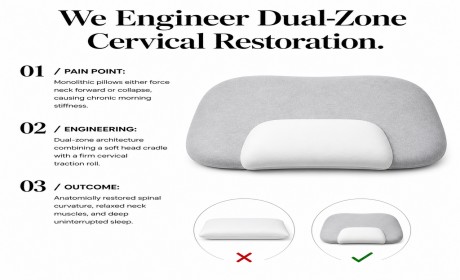
    How to Choose an Ergonomic Cervical Pillow: Design, Materials and Customization Choosing the right pillow involves more than softness. Consumers increasingly look for products that combine comfortable materials, supportive shapes, and flexible comfort options. For bedding brands, ergonomic cervical pillows offer an opportunity to develop products that stand out from traditional rectangular pillows. 1. What Is an Ergonomic Cervical Pillow? An ergonomic cervical pillow is designed with a contoured shape intended to support the head and neck during sleep. Unlike a conventional flat pillow, its profile can be developed to accommodate different head and neck positions. The shape, height, firmness, and foam density all influence how a pillow feels. These features should be evaluated together when developing a new product. 2. Why Does Pillow Shape Matter? Pillow geometry influences how the head rests and how the neck is supported. Contoured designs can include raised areas, curved edges, or different support zones. When developing an ergonomic pillow, brands should consider: Pillow height and contour depth Head and neck support areas Comfort preferences of side and back sleepers Foam density and resilience The relationship between pillow shape and mattress firmness Prototype testing with users can help determine whether a design provides the intended comfort and fit. 3. Memory Foam vs. Traditional Pillow Filling Memory foam is commonly used in ergonomic pillows because it can conform to pressure and provide a shaped support structure. Traditional fiber-filled pillows offer a different feel and may provide more flexibility in adjusting the fill. Neither material is ideal for every consumer. Brands should evaluate foam firmness, recovery, odor, durability, and performance after repeated use before finalizing a specification. 4. Why Offer Both Firm and Soft Sides? Consumers have different preferences for pillow firmness. A dual-sided design offers two comfort experiences within one product. A firmer side may appeal to customers who prefer a more structured feel, while a softer side may suit those who prefer a cushioned surface. For product developers, this concept can create a clear product story without requiring customers to purchase two separate pillows. The difference between the two sides should be noticeable and verified through product testing. 5. Is a Breathable, Washable Cover Important? The pillow cover affects the initial feel, skin contact, appearance, and care experience. When selecting a cover, brands should assess: Fabric softness and breathability Stretch and fit around the contoured foam Zipper placement and ease of removal Washing performance and dimensional stability Color, stitching, and branding options The care instructions should clearly distinguish between the cover and the foam core. Memory foam generally requires different care from a machine-washable textile cover. 6. How Can Bedding Brands Differentiate an Ergonomic Pillow? A successful product needs more than a familiar ergonomic shape. Brands can explore differentiation through: Alternative contour designs and pillow heights Different foam densities and firmness levels Dual-sided comfort constructions Premium or functional cover fabrics Size options for different target markets Customized packaging and private-label branding Consumer interviews, competitor reviews, prototype trials, and post-use feedback can help identify which features are most valuable to the intended audience. 7. From Consumer Insight to Commercial Product Developing a differentiated cervical pillow requires a structured process: Identify customer complaints and unmet comfort needs. Define the target user and intended product benefits. Select the pillow shape, foam, and cover materials. Build prototypes and test comfort, fit, and durability. Refine the design based on user feedback. Confirm quality standards and production consistency. This process helps brands move from a general product idea to a clearly defined, market-ready pillow. Conclusion An ergonomic cervical pillow combines product shape, material selection, and comfort design. For bedding brands, the opportunity lies in developing a product that addresses a specific consumer preference and communicates its value clearly. With OEM/ODM development, customized materials, contour designs, and private-label packaging, brands can build an ergonomic pillow range tailored to their target market.
    Read More
  • How to Develop a Fluffy Cooling Pillow: Fabric, Fill and Quilted Design
    How to Develop a Fluffy Cooling Pillow: Fabric, Fill and Quilted Design
    Oct 09, 2026
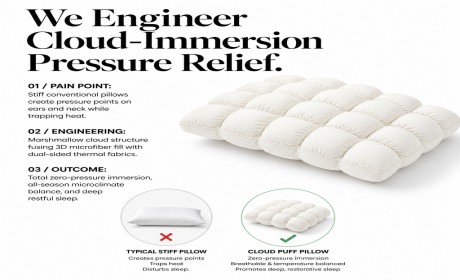
    How to Develop a Fluffy Cooling Pillow: Fabric, Fill and Quilted Design Consumers increasingly look for pillows that combine plush comfort, a refreshing surface feel, and easy everyday care. For bedding brands, a fluffy cooling pillow offers an opportunity to bring these features together in one differentiated product. But what makes a pillow look fluffy, feel soft, and maintain its shape? The answer lies in the combination of fabric, filling, quilting structure, and product construction. 1. What Is a Fluffy Cooling Pillow? A fluffy cooling pillow combines a voluminous, cushioned appearance with a fabric surface designed to feel cool to the touch. Unlike a conventional flat pillow, a puff-style pillow may use a quilted grid structure to create a three-dimensional appearance. The result is a distinctive product that combines visual appeal with a soft, cushioned feel. For brands, this design can help create a recognizable product identity in a competitive bedding market. 2. Why Does Quilted Grid Construction Matter? Quilted grid construction divides the pillow surface into individual sections, creating a raised, puffed appearance. Depending on the quilting pattern and internal construction, the design can help distribute filling across different sections and create a more consistent surface profile. Grid size, stitching density, quilting depth, and filling volume should be evaluated together during product development. 3. How Does Filling Affect Pillow Comfort? Filling plays an important role in determining softness, loft, resilience, and overall weight. Polyester microfiber filling is one option for brands seeking a lightweight, fluffy feel. Different fiber structures, filling weights, and layer combinations can produce different levels of softness and support. A dual-layer filling concept may combine a softer upper layer with a more resilient base layer. However, the actual performance depends on the materials and construction used, so prototypes should be evaluated before making durability claims. 4. What Makes a Pillow Feel Cool? A cooling pillow may use a cool-to-the-touch fabric, a breathable construction, or other functional textile technologies. For example, polyester-spandex fabrics can provide a smooth, stretchy surface. Specialized cooling finishes or engineered yarns may also be considered, depending on the product requirements. It is important to distinguish an initial cool-touch sensation from sustained temperature regulation. Brands should select the appropriate material and validate any cooling claims through relevant testing. 5. Is Easy-Care Construction Important? For everyday bedding, convenient care can be an important product feature. Depending on the materials and construction, some pillows can be designed for machine washing. Before making this claim, manufacturers should validate the recommended washing and drying process, including its effect on filling distribution, loft, seams, and fabric performance. Clear care instructions help customers maintain the product properly. 6. What Should Brands Consider When Developing a Fluffy Cooling Pillow? A successful product development project should consider: Outer fabric composition and hand feel Quilting pattern and puff height Filling type, weight, and resilience Pillow dimensions and loft Cooling performance requirements Color and design options Washability and care instructions Branding and retail packaging These elements should be developed as a complete system rather than selected independently. 7. From Consumer Needs to Product Innovation Bedding brands can develop a differentiated pillow by following a structured process: Consumer insight → Product concept → Fabric and filling selection → Prototype → Performance testing → Design refinement → Mass production This approach helps brands move beyond copying an existing pillow shape and focus on the needs of their target customers. Conclusion A fluffy cooling pillow combines visual volume, a soft surface, functional fabric choices, and thoughtful filling construction. For bedding brands, the opportunity lies in developing the right balance of comfort, appearance, performance, and care requirements for a specific market. From material selection and quilting development to sampling and production, a well-defined development process helps turn consumer needs into differentiated bedding products.
    Read More
  • PCM Cooling Pillowcases: How Temperature-Regulating Fabric Works
    PCM Cooling Pillowcases: How Temperature-Regulating Fabric Works
    Oct 09, 2026
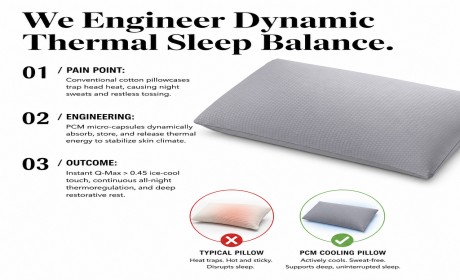
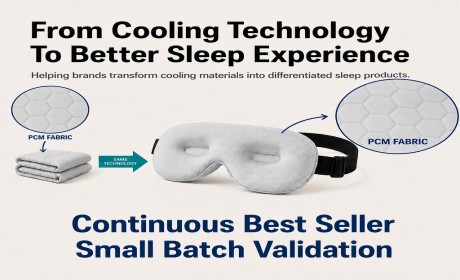
    PCM Cooling Pillowcases: How Temperature-Regulating Fabric Works A warm pillow surface can make it difficult for some people to feel comfortable at bedtime. For hot sleepers and consumers who prefer a cooler sleeping surface, functional pillowcases offer an opportunity to improve everyday bedding comfort. One technology attracting interest in sleep products is phase change material (PCM). But what does PCM actually do, and what should brands consider when developing a cooling pillowcase? 1. What Is a PCM Cooling Pillowcase? A PCM cooling pillowcase is designed with phase change materials that absorb and release heat as the material changes phase within its designed temperature range. Unlike a conventional pillowcase, a PCM-based textile is intended to help manage temperature fluctuations at the material surface. Actual performance depends on the PCM formulation, application method, fabric construction, and testing conditions. 2. How Does PCM Technology Work? Phase change materials can absorb thermal energy during a phase transition and release it as conditions change. In bedding applications, this thermal buffering effect may help moderate changes in surface temperature. However, PCM does not actively refrigerate a pillow, and performance depends on the amount of PCM, its transition temperature, and the surrounding environment. 3. What Should You Look for in a Cooling Pillowcase? When evaluating a cooling pillowcase, consider these factors: Cooling performance: Look for relevant laboratory test results rather than relying only on marketing claims. Breathability: Fabric construction can affect airflow and overall comfort. Hand feel: Smoothness, softness, and stretch influence the user experience. Moisture management: Evaluate the fabric's ability to handle moisture if this is a key product requirement. Care requirements: Confirm whether the product is machine washable and how washing affects performance. Construction: Hidden zippers, reversible surfaces, and suitable sizing can improve usability. 4. PCM vs. Cool-to-the-Touch Fabrics Cool-to-the-touch fabrics are designed to create an immediate cooling sensation when they contact the skin. PCM materials, by contrast, are intended to absorb and release heat during a phase transition. Some products combine these approaches, but they are not interchangeable. Brands should confirm which technology their material uses and validate any performance claims before publication. 5. How Can Bedding Brands Develop a Differentiated Cooling Pillowcase? Product development should begin with the target consumer and the problem the product is intended to address. A customized development project may involve: Fabric and PCM material selection Fabric weight, stretch, and surface feel Standard, queen, and king sizing Reversible or single-sided construction Zipper and closure options Color, branding, and retail packaging Prototype development and performance testing The goal is to create a product with a clear, testable value proposition—not simply add a cooling label to a standard pillowcase. 6. From Consumer Needs to Functional Bedding Innovation For bedding brands, a cooling pillowcase can be a starting point for a wider functional sleep collection. The development process can follow a practical sequence: Consumer insight → Material selection → Product design → Prototype → Performance validation → Market launch Working through these stages helps brands align product features with real consumer expectations and their target price positioning. Conclusion PCM cooling pillowcases offer one approach to temperature-regulating bedding. The right product depends on material performance, fabric comfort, construction, care requirements, and the needs of the target market. For brands planning a new cooling bedding collection, thoughtful material selection and product validation are essential to developing a differentiated product.
    Read More
  • How to Choose the Best Camping Blanket for Outdoor Adventures
    How to Choose the Best Camping Blanket for Outdoor Adventures
    Oct 08, 2026
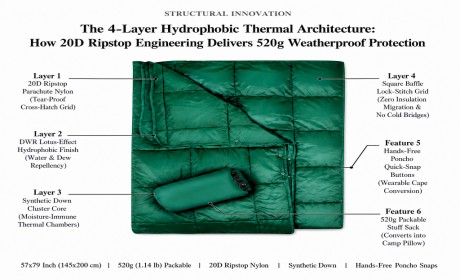
    How to Choose the Best Camping Blanket for Outdoor Adventures A good camping blanket is more than something to keep you warm. For outdoor use, the right blanket should be comfortable, lightweight, easy to carry, and capable of handling changing weather and different environments. Whether you're camping, hiking, enjoying a picnic, watching a game, or sitting around a campfire, several factors can determine whether a camping blanket is actually useful. 1. Water Resistance Matters Outdoors Outdoor ground conditions can change quickly. Morning dew, damp grass, light rain, and accidental spills can make an ordinary blanket uncomfortable. A water-resistant outer shell helps reduce moisture absorption and makes the blanket more suitable for outdoor environments. However, water-resistant and waterproof are not always the same. Brands should choose the appropriate fabric and coating based on the intended use and verified performance requirements. 2. Lightweight Design Makes a Difference Camping gear is often carried for long distances, so weight matters. A lightweight camping blanket can provide an additional layer of warmth and comfort without becoming another heavy item in a backpack or travel bag. For hiking and backpacking, insulation efficiency and total weight should be considered together. 3. Packability Is Essential for Travel A camping blanket that takes up too much space can be inconvenient to transport. Packable designs allow the blanket to be compressed or folded into a compact carry bag, making it easier to store in a backpack, car, suitcase, or camping kit. This is especially useful for road trips, hiking, festivals, sporting events, and spontaneous outdoor activities. 4. Look for More Than One Way to Use It The best outdoor blankets are often multifunctional. Depending on the design, a camping blanket can be used as: A camp blanket A picnic blanket A travel blanket A stadium blanket A beach blanket An extra sleeping layer A wearable outdoor wrap Features such as snap closures, corner loops, or attachment points can make a blanket more versatile. 5. Choose the Right Insulation The insulation determines much of the blanket's warmth, weight, and packability. Synthetic insulation can be a practical choice for outdoor products because it can provide warmth while offering easier care and moisture tolerance than some natural insulation options. Down or down-alternative insulation can provide a different balance of warmth, loft, and weight. The right choice depends on the target market, climate, product positioning, and expected price point. 6. Size Should Match the Intended Use A personal camping blanket does not need to be the same size as a family picnic blanket. A smaller blanket can prioritize portability, while a larger design can provide greater coverage for relaxing at a campsite, beach, or outdoor event. Brands should define the primary use scenario before deciding the final dimensions. 7. What Makes a Camping Blanket Better? A strong camping blanket product usually combines several elements: Comfort + Weather Protection + Lightweight Construction + Packability + Functional Design Instead of adding features simply to make a product look different, brands should develop each feature around a real outdoor use case. 8. Developing a Camping Blanket for Your Market For outdoor brands, product development can go beyond selecting an existing blanket. Fabric, insulation, dimensions, quilting structure, water resistance, attachment systems, colors, prints, packaging, and carrying solutions can all be developed according to the target customer. The process can be: Consumer Need → Outdoor Scenario → Product Definition → Material Selection → Prototype → User Testing → Product Refinement → Production This approach helps transform a basic outdoor blanket into a differentiated product designed for a specific market. Final Thoughts A good camping blanket should make outdoor experiences more comfortable without becoming another burden to carry. When choosing or developing one, focus on the balance between weather protection, warmth, weight, packability, size, and versatility. For brands, the biggest opportunity is not simply creating another camping blanket. It is developing a product that solves a specific outdoor problem better than existing alternatives.
    Read More

  • Butterfly Pillow vs. Traditional Pillow: How an Ergonomic Design Supports Different Sleep Positions
    Butterfly Pillow vs. Traditional Pillow: How an Ergonomic Design Supports Different Sleep Positions
    Oct 08, 2026
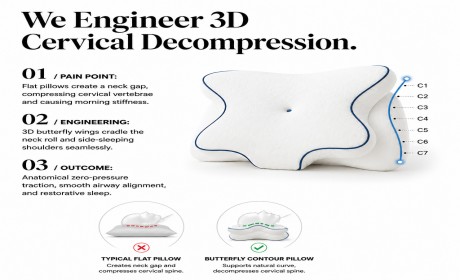
    Butterfly Pillow vs. Traditional Pillow: How an Ergonomic Design Supports Different Sleep Positions Choosing the right pillow is not simply about softness. Your sleeping position, head and neck alignment, pillow height, and support level can all affect your overall sleeping comfort. This is where the butterfly ergonomic pillow has become an interesting alternative to traditional rectangular pillows. What Is a Butterfly Pillow? A butterfly pillow is an ergonomically shaped pillow designed with contoured sections around the head, neck, shoulders, and arms. Unlike a traditional rectangular pillow, its butterfly-shaped structure creates different support zones. Some designs also use different pillow heights to give sleepers more flexibility when choosing their preferred support level. Why Does the Shape Matter? A traditional pillow generally provides one continuous surface. An ergonomic butterfly pillow can use multiple contours to create more targeted support. The central area supports the head, while the raised neck area helps provide additional neck support. The side sections can also create space around the shoulders and arms, which can be useful for side sleepers. The goal is not simply to make the pillow softer or firmer. It is to create a pillow structure that better matches different sleeping positions. Butterfly Pillow for Different Sleep Positions Side Sleepers Side sleepers often prefer a higher support area to help maintain a comfortable head and neck position. A contoured butterfly pillow can provide a higher side support zone while creating additional space around the shoulder area. Back Sleepers Back sleepers may prefer a lower profile with support around the neck and head. A dual-height design can give users more flexibility when choosing the side that feels most comfortable. Stomach Sleepers Stomach sleepers typically prefer a lower pillow profile. A contoured ergonomic design can provide a lower support option without requiring a traditional thick pillow. What Is the Advantage of Memory Foam? Memory foam is commonly used in ergonomic pillows because it can respond to body pressure and provide a supportive feel. When combined with an ergonomic shape, memory foam can help create differentiated support zones instead of relying on a flat pillow surface. Some designs also incorporate ventilation channels or perforations to improve airflow through the foam. What Should You Look for in a Butterfly Pillow? When choosing an ergonomic butterfly pillow, consider: Pillow height Neck support structure Shoulder clearance Memory foam density Breathability Cover material Removable and washable cover Suitable sleeping positions Available size options A good ergonomic pillow should match the user's sleeping habits rather than simply being marketed as "soft" or "firm." Butterfly Pillow vs. Traditional Pillow Feature Traditional Pillow Butterfly Ergonomic Pillow Shape Rectangular Contoured butterfly shape Support General support Zoned ergonomic support Height Usually one height Can offer multiple height options Shoulder Space Limited Designed with shoulder clearance Sleeping Positions General use Designed for different sleep positions Customization Basic Shape, height, foam and cover can be developed How Brands Can Develop a Better Butterfly Pillow For bedding brands, an ergonomic pillow is more than a new shape. Product development can involve foam density, pillow height, contour design, ventilation, cover fabric, packaging, and target sleeping positions. Different markets may also require different pillow sizes, firmness levels, materials, and packaging concepts. This creates opportunities for brands to develop a butterfly pillow specifically around their target customers instead of selling a generic pillow. From Consumer Needs to Pillow Innovation A successful ergonomic pillow starts with understanding the problem consumers are trying to solve. For example: Sleeping position → Consumer comfort needs → Pillow structure → Material selection → Prototype → User testing → Product refinement This process helps turn a simple pillow concept into a differentiated bedding product. Final Thoughts A butterfly ergonomic pillow combines contoured design, targeted support, and flexible height options to create a different approach to traditional pillow construction. For consumers, the key is finding a design that matches their sleeping position and comfort preferences. For bedding brands, the opportunity is to develop the right combination of shape, material, support, and user experience for a specific market. If you are developing a new ergonomic pillow collection, the product should begin with the consumer need—not simply the shape of the pillow.
    Read More
  • What to Pack for a Fall Getaway: Outdoor Essentials for Cozy Camping
    What to Pack for a Fall Getaway: Outdoor Essentials for Cozy Camping
    Sep 23, 2026
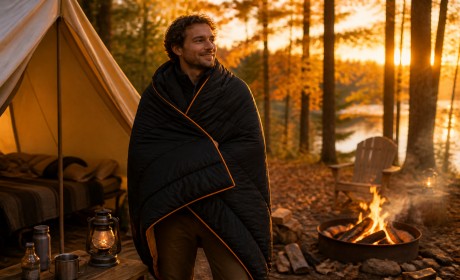
    Fall is one of the most enjoyable seasons for getting outdoors. The weather is cooler, the scenery changes and weekends become a natural opportunity for a short getaway. Whether you are planning a camping trip, a family weekend outdoors, a road trip or simply a day in the park, cooler temperatures can quickly change the experience. That is why the right outdoor comfort gear matters. One of the most useful additions to a fall packing list is a versatile outdoor blanket designed to provide warmth, protection and flexibility when the weather changes. 1. Why Fall Outdoor Trips Need Different Gear Summer camping and fall camping are not quite the same. During summer, staying cool is often the main concern. In fall, the challenge can change throughout the same day. The afternoon may feel comfortable, while the evening becomes chilly. Grass can become damp. Wind can make temperatures feel colder. A campsite may be comfortable during the day but require an additional layer after sunset. This is why fall outdoor gear needs to be flexible. Instead of packing one product for every possible condition, multifunctional products can make a trip easier. 2. The Outdoor Blanket That Stays Ready for Changing Conditions A traditional blanket is comfortable at home, but outdoor environments can create different requirements. A functional outdoor camping blanket may need to handle: Wind Light rain Damp grass Cooler temperatures Uneven outdoor surfaces Sitting around a campsite Relaxing in a camping chair Road trips and outdoor breaks This is where an outdoor camping blanket with a protective outer shell and soft inner layer can offer a different experience. The outer layer can help provide protection from outdoor conditions, while the soft inner layer adds comfort against the body. Instead of thinking of it as simply another blanket, think of it as: Outdoor Protection + Soft Comfort + Portable Warmth 3. From Camping Blanket to Wearable Outdoor Comfort One limitation of traditional blankets is that they need to stay around your body. If you stand up, walk around the campsite or need both hands, the blanket can become inconvenient. A wearable outdoor blanket changes the concept. The blanket can stay around the body while allowing the user to move around more easily. That makes it useful for activities such as: Sitting around a campfire Watching an outdoor event Relaxing in a camping chair Walking around a campsite Morning coffee outdoors Watching children play outside Taking a break during a road trip The product becomes less about simply covering the body and more about making outdoor comfort portable. 4. A Better Packing List for a Fall Getaway A successful fall trip does not necessarily require a huge amount of gear. Start with the basics. 1. Outdoor Camping Blanket A versatile outdoor blanket can provide an additional comfort layer when the temperature drops or the ground becomes damp. 2. Comfortable Pillow If you are staying overnight, a familiar pillow can make a major difference to your sleeping environment. A functional pillow can provide support while keeping your travel setup more comfortable. 3. Cooling Sleep Mask A sleep mask can be useful when sleeping somewhere unfamiliar. Camping trips, cabins, hotels and vacation rentals can all have different lighting conditions. A cooling 3D sleep mask can combine light blocking with cooling comfort and a three-dimensional eye area. 4. Lightweight Personal Layers Clothing remains your primary protection from changing outdoor temperatures. A functional blanket should complement your clothing rather than replace proper outdoor gear. 5. Outdoor Comfort Starts With the Right Scenario The same product can serve different needs depending on the situation. Imagine a family arriving at a campsite in the afternoon. The weather is comfortable. They set up the tent, prepare food and spend time outside. As the sun goes down, the temperature drops. Instead of ending the evening early, someone takes an outdoor blanket from the backpack. The blanket becomes a comfortable layer for sitting around the campsite. Later, it can be used while relaxing in a camping chair or during a quiet morning outside. The product is not the reason for the trip. It simply makes more moments outdoors comfortable. 6. From Fall Camping to Everyday Outdoor Life A good outdoor product should not be limited to one use case. A versatile camping blanket can also fit into everyday activities: Weekend Camping Keep comfortable around the campsite when temperatures fall. Road Trips Use it during outdoor stops or rest breaks. Outdoor Events Bring an extra layer for sports games, concerts or family events. Park Days Use it on grass or while sitting outdoors. Backyard Evenings Keep it nearby when spending time outside after sunset. The more naturally a product fits into different situations, the more useful it becomes. 7. What Makes an Outdoor Blanket Functional? A functional outdoor blanket is not defined by one feature. Its value comes from how several elements work together. For example: Weather-Resistant Outer Layer Helps protect the user from damp surfaces and changing outdoor conditions. Soft Inner Layer Provides a more comfortable surface against the body. Portable Construction Makes it easier to bring from one location to another. Wearable Design Allows the user to stay covered while moving around. Multi-Scene Use Makes the product useful beyond traditional camping. This is the difference between simply making another blanket and developing a product around a specific outdoor problem. 8. Your Fall Getaway, Your Way A fall getaway does not have to be an expensive vacation. It can be a weekend camping trip. A family road trip. A morning hike followed by coffee outdoors. An evening around a fire. Or simply a few hours away from your usual routine. The important thing is being prepared for the conditions. A versatile outdoor blanket can provide an extra layer of comfort when the temperature drops, the grass becomes damp or the wind picks up. And when the trip is over, the same product can continue to be useful at home, in the backyard or at outdoor events. Make Outdoor Comfort More Functional At its core, product innovation starts with a simple question: What makes this experience uncomfortable, and how can the product solve it? For outdoor comfort, the answer may involve wind, moisture, temperature changes, mobility and portability. That is why an outdoor blanket can evolve from a simple piece of fabric into a multifunctional comfort solution. For your next fall getaway, pack for the experience—not just the destination. Bring products that make it easier to stay comfortable when the environment changes. Because the best outdoor gear is not necessarily the product you notice the most. It is the product that lets you keep enjoying the moment.
    Read More
  • Mid-Autumn Festival at Home: Create a Cozy Night for Better Sleep
    Mid-Autumn Festival at Home: Create a Cozy Night for Better Sleep
    Sep 23, 2026
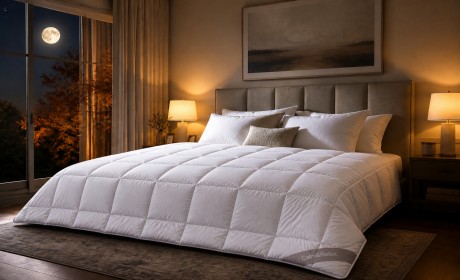
    Mid-Autumn Festival is a time for slowing down, reconnecting with family and enjoying a quiet evening together. For many families, the celebration does not end when dinner is over. There may be a late-night conversation, moon watching, a movie with the family or simply a few quiet hours at home before going to bed. That makes the evening itself part of the experience. A comfortable sleep environment can help turn a long holiday evening into a more relaxing night. From a fluffy weighted comforter to a supportive pillow and a cooling sleep mask, small changes to your bedtime setup can make your nighttime routine feel more comfortable. 1. Turn the Evening Into a Comfortable Ritual Holiday evenings often feel different from ordinary nights. You may spend more time with family, stay up later than usual or simply enjoy a slower pace. Instead of immediately going to bed after a busy day, creating a comfortable transition from evening activities to sleep can make the night feel more relaxing. A simple routine can include: Dimmer lighting before bedtime A comfortable temperature A supportive pillow Soft bedding with enough loft A sleep mask to reduce unwanted light A few quiet minutes without screens The goal is not to create a complicated bedtime routine. It is to make the transition from a busy holiday evening to rest feel natural. 2. Add Fluffy Comfort With a Hybrid Weighted Comforter Traditional weighted blankets can provide a sense of gentle pressure, but some people associate weighted bedding with a flat or dense feel. A hybrid design takes a different approach. A fluffy hybrid weighted comforter combines the loft and softness of a comforter with the added weight of a weighted blanket. This creates a different type of sleep experience: Fluffy Loft + Gentle Weight + Cozy Coverage Instead of choosing between a fluffy comforter and a weighted blanket, a hybrid design brings both characteristics into one product. For an autumn evening at home, that combination can create a more substantial and cozy bedding layer without losing the visual and tactile appeal of a fluffy comforter. What makes the hybrid concept different? A functional bedding product should solve a specific consumer problem. In this case, the question is simple: What if someone wants the fluffy comfort of a duvet but also prefers the feel of gentle weight? That question can become the starting point for a new bedding concept. 3. Choose a Pillow That Supports Your Sleep Setup The comforter is only one part of the sleep environment. Your head and neck position also matter. A pillow should be considered together with the mattress, sleeping position and personal comfort preferences. For example, side sleepers may have different support requirements from back or stomach sleepers. Pillow height, fill structure and adjustability can all influence the overall experience. That is why functional pillow development should begin with the user's actual sleeping needs rather than simply adding another decorative layer to the bed. For a holiday sleep setup, the goal is simple: comfortable support that helps the entire bedding system work together. 4. Reduce Unwanted Light With a Cooling Sleep Mask Holiday evenings can also mean unusual sleeping schedules. You might stay up later, sleep in a different room or wake up when sunlight enters the bedroom. A sleep mask can help create a darker personal sleep environment. A cooling 3D sleep mask adds another layer of comfort by combining light blocking with a cooling sensation and a three-dimensional shape designed to reduce direct pressure around the eyes. This makes it especially interesting for people who want more than a basic flat eye mask. The concept is: Light Blocking + Cooling Comfort + 3D Eye Space Rather than treating a sleep mask as a simple accessory, it can become part of a complete sleep-comfort system. 5. Build Your Mid-Autumn Sleep Comfort Setup A comfortable holiday night does not need dozens of products. A simple combination can cover several different needs: For cozy coverage Fluffy Hybrid Weighted Comforter Designed to combine fluffy comfort with the distinctive feel of weighted bedding. For head and neck support Functional Pillow Developed around different sleeping positions, support requirements and comfort preferences. For darkness and cooling comfort Cooling 3D Sleep Mask Designed to combine light blocking, cooling comfort and a three-dimensional eye area. Together, these products create a simple bedtime concept: Cover → Support → Relax 6. Make the Holiday About Comfort, Not Complexity The best holiday routines are often the simplest ones. Spend time with family. Enjoy the evening. Take a break from a busy schedule. Then return to a bedroom that feels comfortable and ready for rest. Bedding plays a surprisingly important role in that transition. A fluffy comforter can add softness and loft. A functional pillow can provide personalized support. A cooling sleep mask can help create a darker and more comfortable sleep environment. Each product addresses a different part of the experience. A More Functional Approach to Bedding Modern bedding development is moving beyond appearance. Consumers increasingly look for products that solve specific comfort problems: Too flat → develop more loft Too heavy → improve construction and usability No weight → explore weighted designs Poor eye comfort → develop 3D structures Too warm → explore cooling materials and technologies Generic support → develop more functional pillow structures This is where product innovation becomes important. Instead of starting with a product name, development can start with a consumer question: What problem are we trying to solve? The answer can then guide material selection, construction, testing and product validation. Create Your Own Mid-Autumn Night This Mid-Autumn Festival, the most memorable part of the evening may not be a complicated celebration. It could simply be a quiet conversation with family, a comfortable bed and a few hours of uninterrupted rest. From fluffy weighted comforters to functional pillows and cooling sleep masks, thoughtful bedding design can turn everyday sleep products into more purposeful comfort solutions. Because better bedding does not have to be about adding more. Sometimes, it is about designing each layer around a real need.
    Read More
  • Your Weighted Blanket Is Sitting in a Closet Right Now. We Know Why — and We Fixed It.
    Your Weighted Blanket Is Sitting in a Closet Right Now. We Know Why — and We Fixed It.
    Sep 01, 2026
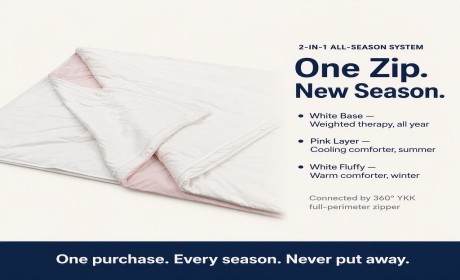
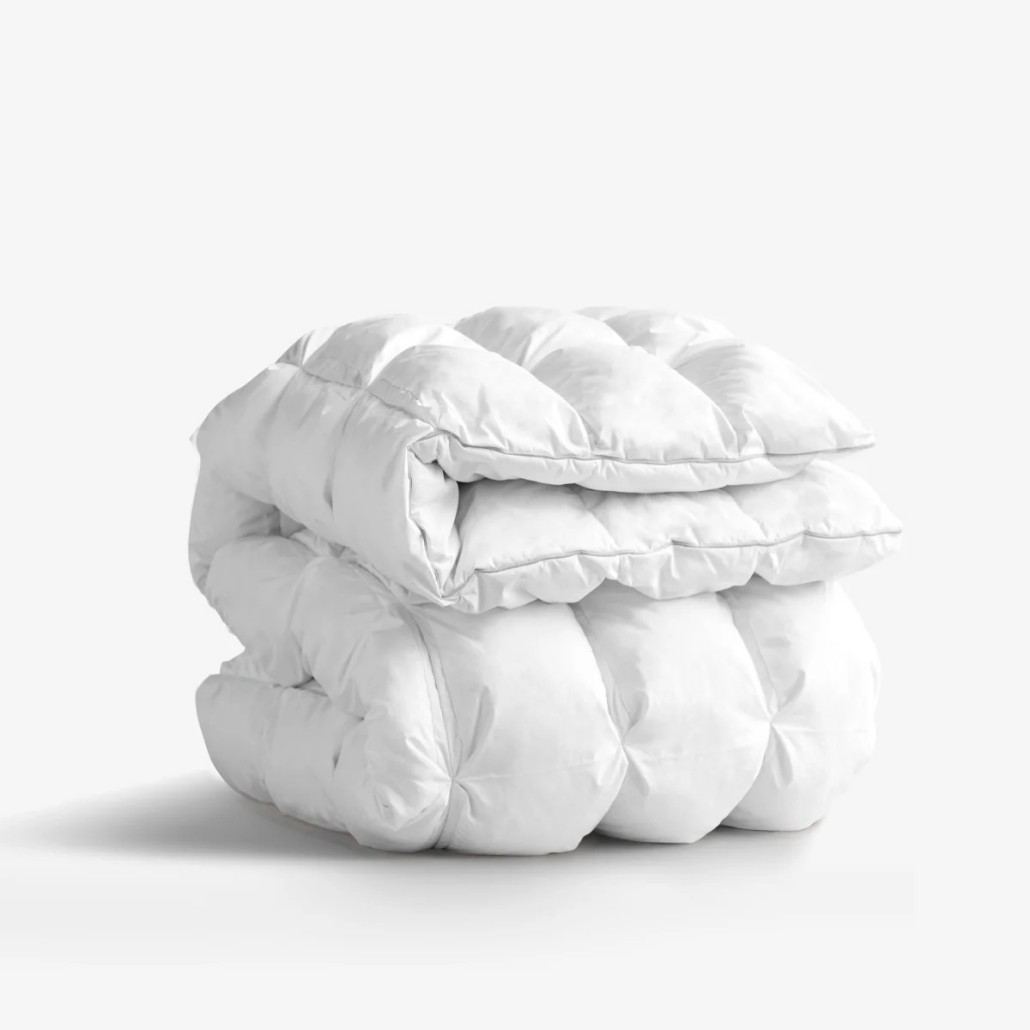
    The weighted blanket category has a problem no one has honestly solved. Here's how we built the product that does. You spent $120 on a weighted blanket. You loved it from October to March. Then April came. You started waking up sweaty. You moved it to the closet. It's been there since. You're not alone. Across Reddit's sleep communities, the same posts appear every spring — thousands of people describing the same thing: "I need a certain level of weight to fall asleep and feel secure but with summer coming I get very hot." — r/aspergirls "I love my 20 pound weighted blanket but y'all 😭😭😭 I also hate being hot." — r/AutismInWomen   The weighted blanket category has been selling a winter product and calling it a sleep solution. The closet is the proof. Why Every Existing "Solution" Misses the Point When brands noticed this problem, they did what brands do: they made small changes and called it innovation. The flip design (Calm&Relax Hybrid, $119): Two sides — a warm face and a cooler face. The glass beads are still in the blanket. You flip it over in summer. The weight is still there. The heat still builds. We checked the product page. It's not a solution. It's a workaround. The removable cover (LUXOME, 250–250–305): A weighted inner blanket with a detachable cover. The cover is a flat Lyocell/Minky fabric — not a real comforter. When you remove it, you have a bare weighted blanket on one side and a thin flat cover on the other. You still need to buy a separate summer duvet. Neither product physically separates the weight from your sleeping surface. That's the only thing that would actually work — and no one has built it. Until now. What We Built: Two Complete Products. One System. We designed two fully independent pieces: The Base Layer — a 15–20 lb weighted comforter with 1,200 precisely calibrated glass bead chambers (±0.1g per chamber), 100% Modal fabric on both sides, queen size 90"×90". A complete product on its own. The Aero-Loft Layer — a lightweight cooling comforter, 3D spiral hollow fiber fill, cooling nylon face fabric (Q-Max ≥ 0.45), fluffy and breathable. Weighs under 2 lbs. A complete product on its own. In winter: zip them together with a 360° full-perimeter YKK invisible zipper. They become one 18 lb weighted cooling comforter system — the glass bead pressure plus the cloud-like loft, all in one. In summer: unzip. Use just the Aero-Loft Layer — light, cool, no glass beads anywhere near you. Or use just the Base Layer on its own. No scooping foam. No flipping sides. No separate summer duvet to buy. Just a zipper. The Engineering Behind the Zipper The zipper is where this product either works or fails. We didn't underestimate it. A standard zipper on a 20 lb weighted comforter will fail. The glass beads create constant downward tension on every seam. When you roll over in the night, that tension spikes. Conventional attachment methods pull, shift, and eventually tear. We engineered around this: YKK #5 Invisible resin zipper, running the full perimeter of both pieces — not partial, not at the opening only, but 360° around every edge 2.5cm reinforced binding tape on both sides of every zipper seam, bonded to the base fabric before zipper attachment 45° mitered corners, hand-stitched with 4-point reinforcement and heat-sealed at each corner joint Zipper flatness tolerance: ≤±2mm wave across the full perimeter when laid flat Our pass/fail standard before any production commitment: 500 continuous open-close cycles under a 20 lb load with zero tooth separation, zero seam tear, zero thread break. That's not a marketing number. That's a test protocol. It's how we know the zipper works before we put it in a box. What This Means If You're Building a Brand in This Space The weighted blanket market is growing at approximately 17.4% annually (CAGR). The demand is not the question. The question is whether you're selling into it with a product that actually solves the problem — or one that creates a new complaint. The current price map shows a clear gap: 35–35–65: Standard single-piece weighted blankets (red ocean) 119–119–129: Flip-type designs (not truly separable)
    Read More
  • We Don't Make Pillows. We Solve the Problems the Adjustable Pillow Category Has Been Ignoring for Years.
    We Don't Make Pillows. We Solve the Problems the Adjustable Pillow Category Has Been Ignoring for Years.
    Sep 01, 2026
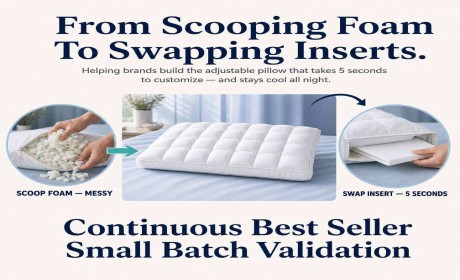
    The Adjustable Pillow Category Has Five Problems. Every Brand Only Solved One. Walk through the adjustable pillow market and you'll notice something: every brand picked one problem to solve and pretended the others didn't exist. NapPillow and Coop Home Goods solved adjustability — but their method is to unzip the cover, scoop out handfuls of shredded foam, test the height, and repeat. That's the industry standard. Pillow-guru describes it precisely: "unzip the cover, scoop out foam, test, repeat." You touch loose foam fragments. You inevitably lose some. It's not reversible in any clean sense. Sleep Number ComfortFit and ACCURATEX solved adjustability differently — with insert layers. Cleaner. But they left temperature management and aesthetics completely unaddressed. The products look like functional apparatus, not something you'd want in a bedroom you care about. CloudOne from thenap.dk solved the aesthetics. Their bread-loaf form factor — the 45×65cm rounded silhouette that fills a pillowcase into a soft, full shape — earned 12,200+ customers and a 93.9% recommendation rate in the Danish market. People genuinely love how it looks and feels. But CloudOne has no insert adjustment system and no thermal management beyond a contact-cooling cover fabric. And across the entire category, a problem no one addressed at all: the pillow gets hot, and it stays hot. Research cited in Alibaba's 2026 self-cooling pillow buying guide (drawing on CNET, Sleep Foundation, and AARP sources) puts the scale of this plainly: nearly 70% of adults wake up at least twice per week due to overheating. The gel-infused solutions the industry has been selling as a response — gel memory foam, gel toppers, gel-infused fiber — lose their cooling effect within 15 to 30 minutes. After that, you're sleeping on a warm surface that was marketed as a cooling solution. Here is where every major player sits: Product Adjustment Temperature Control Neck Support Aesthetics Price NapPillow™ Scoop foam Cold Touch cover only ❌ Standard rectangle $85 Coop Home Goods Scoop foam Partial ❌ Standard rectangle $72–96 Sleep Number ComfortFit Insert layers (3) ❌ ❌ Functional/utilitarian $100–200 ACCURATEX Insert layers Partial ❌ Functional/utilitarian $40–60 CloudOne (thenap.dk) Adjust/scoop fill Cold Touch cover only ❌ Bread-loaf ✅ 695 DKK ≈ $85 Our structure Insert layers Whole-pillow PCM fiber
    Read More
  • We Don't Make Sleep Masks. We Solve the Problem No One in This Category Has Been Willing to Admit.
    We Don't Make Sleep Masks. We Solve the Problem No One in This Category Has Been Willing to Admit.
    Sep 01, 2026
    The Category Had a Dirty Secret Every sleep mask brand knows it. No one talks about it. The more a sleep mask blocks light, the hotter it gets. Memory foam traps heat. Silk feels luxurious but doesn't breathe. Silicone creates a seal against your face that turns into a sweat pocket by 2 AM. The entire category has been shipping the same tradeoff for years: better blackout, worse temperature. And the consumer review sections on Amazon and Reddit are full of people who figured this out the hard way. This is not a sourcing problem. It's not a materials problem. It's a thinking problem — the category has been optimizing for the wrong output. We started there. We Don't Start with a Product. We Start with a Failure Map. Before we developed this product, we mapped every existing solution and asked one question about each: what problem does this product create while it's solving a different one? Here's what we found: Brand What It Solves What It Creates Manta PRO ($79) Zero eye pressure via 3D cup No cooling — seals warm air against your face Rest EverCool ($59) Contact-cooling surface Wraps around the eye (pressure) — cooling lasts minutes, then gone Manta COOL ($30–40) Active cooling via ceramic insert Requires freezing 2 hours prior; insert weight causes the mask to slide; cooling lasts 10–15 minutes TheraICE ($20–30) Gel cooling Requires refrigeration; heavy; designed for cold therapy, not sleep Mzoo 3D ($15–25) Basic 3D profile Memory foam shell absorbs and holds body heat Slip ($50+) Silk skin contact Flat profile — presses on eyes, light leaks at edges Every single brand solved one dimension and introduced a new problem in the process. More importantly: no brand had ever solved all four dimensions at once — 3D zero-eye-pressure structure, passive full-night cooling, premium silk skin contact, and side-sleeper stability. That gap is not an accident. It's a capability gap. The brands who could design the form didn't have the cooling supply chain. The brands who had cooling technology didn't have the 3D tooling. The brands with silk sourcing didn't have either. We did. So we built it. How We Think About Product Development We operate on a principle that runs counter to how most factories think: Successful products are not created in factories. They are discovered through market insight, defined through consumer understanding, validated through small-batch testing, and scaled through integrated supply chains. This product is a direct expression of that process. Step 1: We found the market gap through consumer language — not trend reports We didn't read a market research PDF and decide cooling sleep masks were a growth category. We read what actual users wrote when they were frustrated. We looked at the pattern across Reddit r/sleep, Wirecutter reviews, and Consumer Reports: the complaint wasn't about any single product. It was structural. The exact quote that anchored our thinking came from a Nidra review published in 2026: "2026 buyers won't accept 'cooling gel' claims without data." Consumers aren't rejecting cooling. They're rejecting unverifiable cooling claims — because they've been burned too many times by products that felt cold for 90 seconds and then became a warm, sealed cocoon.
    Read More
1 2 3 4 5 6
A total of6pages

leave a message

leave a message
If you are interested in our products and want to know more details,please leave a message here,we will reply you as soon as we can.
submit

Home

Products

WhatsApp

contact