Ergonomic Neck Support Pillows

Blog

Home

Blog

  • How to Style a Chunky Knit Chenille Throw Blanket at Hom
    How to Style a Chunky Knit Chenille Throw Blanket at Hom
    Oct 29, 2026
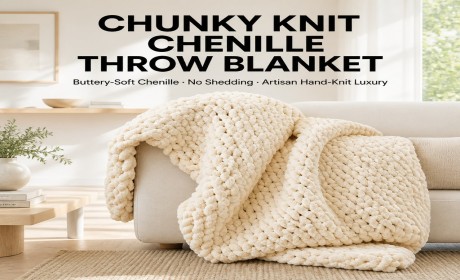
    How to Style a Chunky Knit Chenille Throw Blanket at Home A chunky knit chenille throw blanket is more than an extra layer for cooler evenings. With its oversized texture and distinctive appearance, it can become a decorative feature that makes a room feel more inviting. If you are looking for simple ways to refresh your home, here are several ideas for styling a chunky knit throw blanket. 1. Add Texture to a Neutral Sofa Neutral sofas in beige, gray, cream, or white can sometimes look visually flat. A chunky knit throw introduces a contrasting texture without requiring a major change to your furniture. Try draping the blanket loosely over one arm of the sofa or folding it across the backrest. A cream throw can complement warm neutrals, while a deep gray or navy option can create contrast. 2. Create a Layered Bedroom Look Layering different textures is an easy way to make a bedroom feel more thoughtfully styled. Place a chunky knit throw across the foot of the bed, pairing it with smooth sheets and a simple duvet cover. The difference between the knitted texture and flatter bedding surfaces creates visual depth. Choose a size that suits the width of your bed and the amount of coverage you want. 3. Choose a Color That Fits Your Interior The color of your throw can influence the overall mood of a room. Cream and beige: Complement natural materials and neutral interiors. Gray and deep gray: Work well with contemporary furniture and monochromatic palettes. Pink: Adds a softer accent to bedrooms and reading corners. Blue and deep blue: Can introduce contrast to light-colored furniture. Green: Pairs naturally with wood tones and plant-inspired interiors. Before choosing a color, consider the existing sofa, bedding, curtains, and rug. 4. Make a Reading Corner More Inviting A favorite chair, a small side table, and a soft throw can help create a comfortable reading corner. Fold the blanket over the chair or place it in a nearby basket when not in use. The chunky knit texture adds a decorative element even when the blanket is not being used. 5. Consider Yarn and Care Requirements Chunky knit blankets can be made from different yarns, including chenille and other bulky fibers. The material affects the texture, weight, durability, and care requirements. Check the fiber composition and care instructions before purchasing. Depending on the construction, some blankets may require gentler washing or careful handling to help preserve their shape. For retailers sourcing private-label products, sample testing can help evaluate shedding, pilling, colorfastness, dimensional stability, and packaging performance. 6. Choose the Right Size A smaller throw may work well on an accent chair, while a larger blanket may suit a sofa or bed. Measure the area where you plan to use it, then compare the finished dimensions with the product specifications. Remember that an oversized knitted structure may drape differently from a flat woven blanket. Final Thoughts A chunky knit chenille throw blanket can add texture, color, and a cozy visual element to a living room or bedroom. By choosing the right size, color, and yarn construction, you can create a look that complements your space while meeting your practical needs. Whether you are refreshing your own home or selecting products for a home decor collection, focus on material quality, knit appearance, care requirements, and accurate product specifications.
    Read More
  • How to Choose a Chunky Knit Blanket for Your Home
    How to Choose a Chunky Knit Blanket for Your Home
    Oct 29, 2026
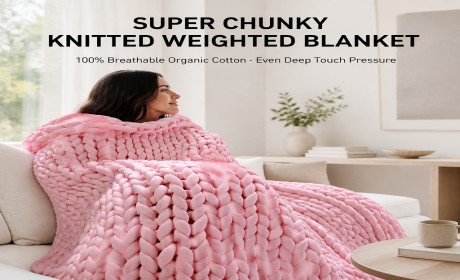
    How to Choose a Chunky Knit Blanket for Your Home A chunky knit blanket can transform the look of a bedroom or living room with its oversized loops, rich texture, and cozy appearance. From decorative sofa throws to weighted knitted blankets, there are several styles to consider when choosing the right option for your home. 1. Understand the Different Types of Chunky Knit Blankets Not every chunky knit blanket is the same. Some are designed primarily as decorative throws, while others are made for everyday coverage. Weighted knitted blankets are a separate category that combines a chunky knit appearance with a specified finished weight. Before purchasing, check the product description to understand whether the blanket is decorative, functional, weighted, or a combination of these features. 2. Choose the Right Material Material affects softness, durability, weight, appearance, and care requirements. Depending on the construction, chunky knit blankets may use cotton, polyester, chenille, wool, or blended yarns. Each material offers a different texture and maintenance profile. Check the fiber composition rather than relying on appearance alone. If you prefer a specific material, confirm the actual composition and any relevant certifications with the seller. 3. Find a Size That Fits Your Space A smaller throw may work well on a reading chair or sofa, while a larger blanket may be more suitable for layering over a bed. Measure the intended area before choosing. For weighted blankets, also consider the finished weight and intended use rather than selecting by dimensions alone. 4. Match the Color to Your Interior Neutral shades such as cream, beige, gray, and white can complement a wide range of interior styles. Deeper colors can create contrast, while softer shades may work well in calm, minimalist spaces. For retailers and home textile brands, offering a coordinated palette can make it easier to build a consistent product collection. 5. Check Care and Durability Chunky knit construction can require different care depending on the yarn and manufacturing method. Some products may be machine washable, while others may require gentler cleaning. Review the care label before washing. For buyers sourcing wholesale products, sample testing is a practical way to evaluate shrinkage, pilling, shedding, colorfastness, and dimensional stability. 6. What Should Retailers Consider When Sourcing Chunky Knit Blankets? Retailers should compare more than the product's appearance. Important considerations include: Fiber composition and yarn specifications Finished dimensions and weight Knit structure and workmanship Packaging and shipping volume Minimum order quantity and customization options Quality inspection and care testing For weighted versions, verify the weight distribution and construction of the finished product. Claims about relaxation or sleep benefits should be supported by appropriate evidence. Final Thoughts The right chunky knit blanket balances appearance, comfort, material quality, and practical care. Whether you are choosing a decorative throw for your home or developing a private-label collection, understanding the construction and specifications will help you make a more informed decision.
    Read More
  • How to Choose a 3D Contoured Sleep Mask for Better Rest
    How to Choose a 3D Contoured Sleep Mask for Better Rest
    Oct 28, 2026
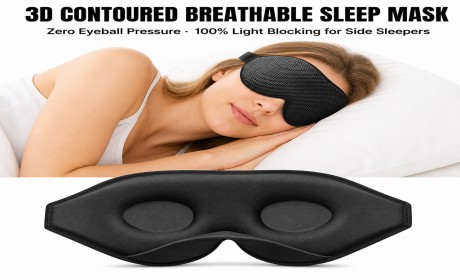
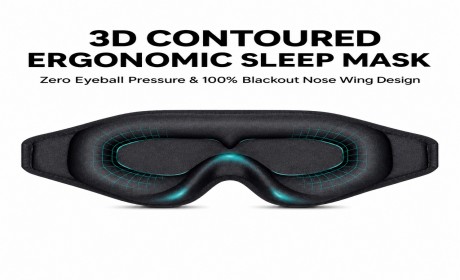
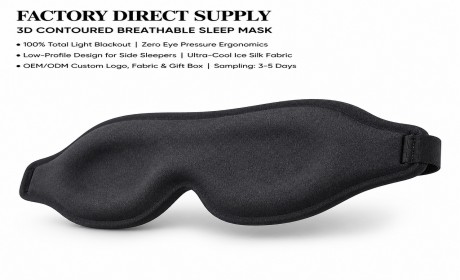
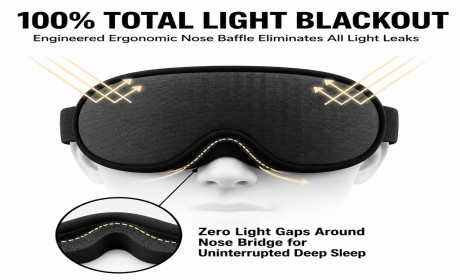
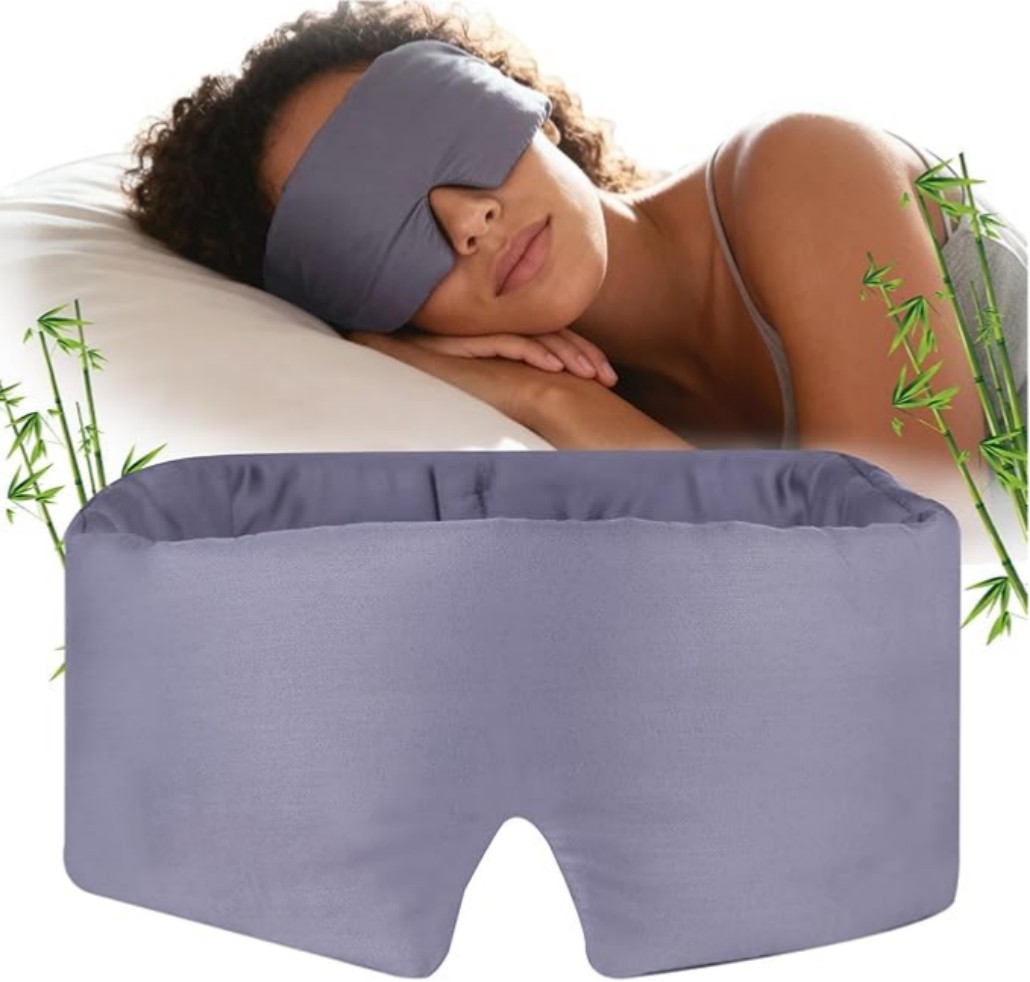
    How to Choose a 3D Contoured Sleep Mask for Better Rest Light from windows, bedroom lighting, and unfamiliar surroundings can make it harder for some people to settle down for rest. A sleep mask is a simple accessory that helps create a darker environment, whether at home, on a flight, or during a daytime nap. Among the available designs, 3D contoured sleep masks stand out because they use shaped eye cups rather than a completely flat surface. Here is what to consider when choosing one. 1. What Is a 3D Contoured Sleep Mask? A 3D contoured sleep mask is designed with raised or shaped sections around the eyes. Unlike many flat masks that rest directly against the eyelids, a contoured design creates additional space around the eyes. The amount of space and the fit around the nose and sides vary by product. For this reason, shoppers should evaluate the actual shape and fit rather than relying on the term “3D” alone. 2. Why Consider a Contoured Eye Mask? The main appeal of a contoured mask is its shaped construction. Space around the eyes: The eye cups are designed to reduce direct contact with the eyelids. Adjustable fit: A strap allows the wearer to adjust the fit to their preference. Portable design: Many sleep masks are lightweight and easy to pack. Versatile use: They can be used at home, while traveling, or during daytime rest. Comfort depends on face shape, nose fit, strap tension, and the materials used. 3. What Materials Should You Look For? The outer fabric and cushioning affect the feel, flexibility, and durability of a sleep mask. Polyester and spandex blends can provide a flexible fabric surface, depending on the knit and fabric construction. Nylon blends are another option for manufacturers developing different surface textures and product specifications. Memory foam cushioning, when used, can help maintain the shaped eye-cup structure. However, the foam density, thickness, and overall design influence how the mask feels. Check the product's material label and care instructions before buying. 4. How Important Is the Adjustable Strap? An adjustable strap helps accommodate different head sizes and wearing preferences. A strap that is too tight may feel uncomfortable, while one that is too loose may allow the mask to shift. Look for an adjustment mechanism that is easy to use and stays in position during normal wear. For side sleepers, the strap construction and buckle placement may also influence comfort when the head rests against a pillow. 5. How to Choose a Sleep Mask for Travel A travel sleep mask should be easy to pack and convenient to use in different environments. Before choosing one, consider: Whether it fits comfortably in a carry-on bag. Whether the strap is easy to adjust. Whether the nose area fits your face. Whether the materials are suitable for regular use. Whether a storage pouch is included. Whether the care instructions fit your travel routine. A contoured mask may be useful for flights and hotel stays, but actual light blocking depends on how well it fits the wearer's face. 6. How to Care for a 3D Sleep Mask Care requirements depend on the outer fabric, foam, and construction. Always check the manufacturer's instructions before washing. Some products may allow gentle hand washing, while others require surface cleaning or specific drying methods. Avoid assuming that the entire mask is machine washable unless the product label confirms it. Allow the mask to dry fully according to the care instructions before storing it. 7. What Should Sleep Accessory Brands Consider? For bedding and travel accessory brands, a 3D sleep mask can be developed in several directions. Potential options include different fabric finishes, cushioning materials, adjustable strap designs, seasonal colors, branded packaging, and travel sets. Before launching a product, brands should evaluate fit, stitching, strap durability, material consistency, nose-area light leakage, and packaging quality. These checks help turn a basic accessory into a more clearly defined product offering. Conclusion A 3D contoured sleep mask offers a shaped alternative to a traditional flat eye mask. Eye-cup design, fit, materials, strap adjustment, and care instructions are all important factors when choosing one. For brands developing sleep accessories, these same details provide a starting point for creating a differentiated product that meets the needs of a specific customer group.
    Read More
  • Why A 3D Contoured Eye Mask Is Better Than A Flat Sleep Mask
    Why A 3D Contoured Eye Mask Is Better Than A Flat Sleep Mask
    Oct 28, 2026
    If you still use a flat cloth sleep mask, you may have experienced uncomfortable pressure on your eyeballs, smudged eye makeup or crushed eyelashes. That is exactly why our 3D contoured memory foam eye mask stands out. Different from traditional flat masks, it features hollow eye space. Your eyelids and lashes will never be pressed while you rest. The ergonomic nose curve blocks stray light leaking from the nose bridge to create a complete dark sleeping environment. Made of premium memory foam, it is soft and supportive, not easy to collapse after long-term use. The upgraded adjustable strap fits all head shapes firmly without tightness or hair tangling. It is a must-have travel essential for frequent flyers, office workers who need midday naps, shift workers who sleep during the day. Whether you are at home, on a plane or staying in a bright hotel, this blackout eye mask helps your brain quickly enter sleep mode and enjoy high-quality rest. Add this comfortable zero-pressure sleep mask to your bedtime routine and say goodbye to light-disturbed sleep.
    Read More
  • How to Choose a Fluffy Down Alternative Pillow for Everyday Comfort
    How to Choose a Fluffy Down Alternative Pillow for Everyday Comfort
    Oct 21, 2026
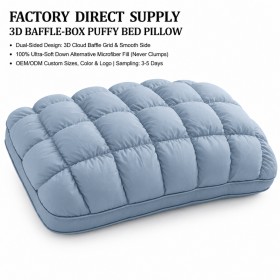
    How to Choose a Fluffy Down Alternative Pillow for Everyday Comfort A comfortable pillow can make a bedroom feel more inviting. For shoppers who enjoy a soft, full pillow without choosing natural down, a fluffy down alternative pillow can be an appealing option. But not all fluffy pillows feel the same. Filling, cover fabric, pillow height, and firmness all influence the overall experience. Understanding these differences can help shoppers choose a pillow that better suits their needs. 1. What Is a Down Alternative Pillow? A down alternative pillow typically uses synthetic fiber filling designed to provide a soft, cushioned feel similar to the loft of traditional down pillows. Depending on the fiber type and filling weight, the pillow may feel light and airy or fuller and more supportive. This gives brands flexibility when developing products for different customer preferences and price points. 2. Why Does Pillow Fluffiness Matter? A fluffy pillow creates a full, inviting appearance that works well with hotel-inspired bedding and layered bedroom styling. However, appearance alone does not determine comfort. Pillow height and firmness should also be considered. Some sleepers prefer a softer, lower pillow, while others may prefer a fuller pillow that provides more cushioning. The best choice depends on personal preference, sleeping position, body shape, and mattress firmness. 3. How Does Cover Fabric Affect the Feel? The cover is the part of the pillow that comes into direct contact with the sleeper. Cotton is a popular option for its familiar, soft hand feel and breathable construction. Other fabrics can provide different textures, visual effects, and price points. For a more distinctive product, brands can explore textured fabrics, contrasting piping, quilted details, or a reversible cover design, provided the construction is tested for comfort and durability. 4. How to Choose the Right Pillow Firmness Soft: A plush feel for customers who prefer a gentler, less structured pillow. Medium: A balanced option for shoppers seeking a combination of softness and support. Firm: A fuller, more structured feel for customers who prefer greater resistance under the head. These descriptions are general guidelines rather than standardized firmness measurements. Brands should evaluate samples and establish consistent specifications before selling different firmness levels. 5. What Should You Check Before Buying? Before choosing a pillow, consider these practical questions: What size fits your pillowcase and bed? Is the pillow too high or too low for your preferred sleeping position? Does the cover feel comfortable against your skin? Can the pillow be washed, and what are its care instructions? Does the filling maintain its shape after regular use? Are the material and care details clearly disclosed? For wholesale buyers, it is also useful to compare filling weight, shell fabric, stitching, packaging, and sample consistency across suppliers. 6. How Bedding Brands Can Create a More Distinctive Pillow A basic fluffy pillow can become a more differentiated product through thoughtful product development. Brands may explore different filling weights, cotton or textured shells, contrast piping, reversible surfaces, retail-ready packaging, and coordinated pillow-and-comforter collections. Rather than competing on price alone, the goal is to define a clear customer preference and build the product around it. Conclusion A fluffy down alternative pillow combines a full appearance with customizable comfort options. By comparing filling, cover fabric, firmness, size, and care requirements, shoppers can make a more informed choice. For bedding brands, these same factors provide a practical starting point for developing a pillow collection tailored to a specific audience and retail position.
    Read More
  • How to Choose an Adjustable Cooling Pillow for a More Comfortable Night
    How to Choose an Adjustable Cooling Pillow for a More Comfortable Night
    Oct 21, 2026
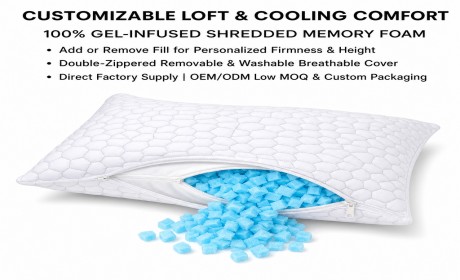
    How to Choose an Adjustable Cooling Pillow for a More Comfortable Night Choosing the right pillow involves more than softness alone. Pillow height, filling, fabric, and sleeping position all influence how a pillow feels throughout the night. For people who prefer a customizable pillow, adjustable shredded memory foam designs offer a practical alternative to traditional fixed-fill pillows. When paired with a suitable cover, they can also provide a cooler-feeling sleep surface. Here is what to consider before choosing an adjustable cooling pillow. 1. What Is an Adjustable Shredded Memory Foam Pillow? An adjustable shredded memory foam pillow contains small pieces of foam rather than a single solid foam block. Many designs include a zippered inner liner that allows users to add or remove filling to change the pillow's height and feel. This flexibility can be useful for people who find conventional pillows too high, too low, too firm, or too soft. The final level of support depends on the type of foam, the quantity of filling, and the pillow's overall construction. 2. How Does Pillow Height Affect Comfort? Pillow height, sometimes called loft, refers to how tall the pillow is when supporting your head. Side Sleepers Side sleepers often need enough height to accommodate the space between the head and mattress. Shoulder width and mattress firmness can affect the preferred pillow height. Back Sleepers Back sleepers may prefer a medium-height pillow that feels comfortable beneath the head and neck without pushing the head excessively forward. Stomach Sleepers Stomach sleepers often prefer a lower-profile pillow to avoid excessive elevation. An adjustable design provides flexibility, but it does not guarantee that one pillow will suit every sleeping position. Small adjustments and personal comfort testing are important. 3. What Makes a Cooling Pillow Different? The word "cooling" can refer to several different design features. Cool-Touch Fabric Some covers use fabrics engineered to feel cool when they first contact the skin. The sensation depends on the fiber composition, knit structure, finishing, and surrounding conditions. Breathable Construction Air-permeable fabrics and thoughtfully designed pillow construction can help support airflow. Cooling-Infused Filling Some pillows incorporate gel or other materials into their foam. Performance varies by formulation and construction, so product claims should be supported by appropriate testing. A cool-touch sensation does not necessarily mean that a pillow actively maintains a lower temperature throughout the night. 4. Why Consider Shredded Memory Foam? Shredded memory foam offers several practical characteristics. Adjustable loft: Users can add or remove filling in compatible designs. Flexible shaping: The filling can be redistributed to change the pillow's profile. Customizable feel: Fill quantity and foam composition influence firmness and support. Alternative to solid foam: The structure offers a different feel from a single molded foam block. However, not all shredded foam pillows feel the same. Foam density, particle size, fill quantity, and inner liner construction all affect the result. 5. What Should You Look for in a Pillow Cover? The cover affects the feel of the pillow and how easy it is to maintain. Consider these factors when comparing products: Softness and surface texture Breathability and fabric composition Whether the cover is removable Zipper placement and construction Washing instructions Durability after repeated care If you are shopping for a cooling pillow, review the actual fabric specifications rather than relying on terms such as "ice silk" or "cooling fabric" alone. 6. How to Adjust Your Pillow If your pillow has removable filling, begin with the supplied fill quantity and evaluate its height in your normal sleeping position. If it feels too high or firm, remove a small amount of filling. If it feels too low, add filling if additional material is available. Make gradual adjustments and redistribute the filling evenly before evaluating the result. Always follow the manufacturer's instructions for opening, adjusting, and maintaining the pillow. 7. How Bedding Brands Can Develop a Better Cooling Pillow For bedding retailers and private-label businesses, an adjustable cooling pillow can be developed around several product variables. Consider evaluating: Cooling fabric options and measured performance Foam type, fill weight, and firmness Pillow dimensions and height range Inner liner and zipper durability Removable cover construction Certifications applicable to the actual materials Packaging, compression, and shipping costs Sample approval and production consistency Testing multiple samples can help determine which combination of fabric, filling, and pillow height best matches the target customer. Conclusion An adjustable cooling pillow combines customizable filling with a cover designed for comfortable everyday use. Before choosing one, consider pillow height, filling composition, fabric performance, sleeping position, and maintenance requirements. For consumers, these details provide a useful framework for comparing pillows. For bedding brands, they offer a starting point for developing a differentiated product that balances comfort, materials, and commercial requirements.
    Read More
  • 3D Contoured Sleep Mask vs. Traditional Eye Mask: Which Design Should You Choose?
    3D Contoured Sleep Mask vs. Traditional Eye Mask: Which Design Should You Choose?
    Oct 20, 2026
    3D Contoured Sleep Mask vs. Traditional Eye Mask: Which Design Should You Choose? A sleep mask can be a useful accessory when you want to reduce surrounding light during nighttime sleep, travel, or daytime rest. However, not all sleep masks are designed in the same way. Some use a simple flat construction, while others feature sculpted eye cups that create additional space around the eyelids. Understanding the differences can help you select a sleep mask that better matches your preferences. 1. What Is a 3D Contoured Sleep Mask? A 3D contoured sleep mask features shaped areas around the eyes rather than a completely flat surface. The eye cups are designed to create additional space around the eyelids, potentially reducing direct contact between the mask and the eyes. Depending on the design, the mask may also feature a shaped nose area and an adjustable strap. The actual experience varies according to eye-cup depth, materials, facial shape, and the way the mask fits. 2. 3D Sleep Masks vs. Traditional Flat Masks Traditional Flat Eye Masks Flat masks usually feature a simple layered structure that rests directly against the area around the eyes. Potential advantages include: A lightweight and compact design Simple construction A wide range of fabric options Often an economical price point However, some flat masks may press against the eyelids or allow light to enter around the nose and edges, depending on their shape and fit. 3D Contoured Eye Masks Contoured masks use shaped eye areas to create more space around the eyelids. Potential advantages include: Additional room around the eyes Less direct contact with the eyelids, depending on fit More opportunities to optimize the nose-bridge shape Different profiles for different sleeping preferences A contoured design does not automatically guarantee complete blackout or zero pressure. Product construction and individual fit remain important. 3. What Makes a Good Blackout Sleep Mask? Eye-Cup Shape and Depth The eye cups should provide enough room for comfortable blinking without making the mask unnecessarily bulky. Nose-Bridge Coverage Light can enter through gaps near the nose. A well-designed nose area may improve coverage, but facial features differ from person to person. Breathable and Comfortable Materials The outer fabric, lining, and internal structure all influence comfort. If you prefer a cooler feel, compare actual fabric composition and product construction rather than relying on a marketing term alone. Adjustable Strap A suitable strap helps keep the mask in position without excessive pressure. Check the adjustment range, material softness, and hardware placement. Side-Sleeping Profile People who sleep on their sides may prefer a lower-profile design that feels less bulky against the pillow. The best option should be evaluated through real-world wear testing. 4. Who Might Benefit From Trying a Contoured Sleep Mask? A contoured sleep mask may be worth considering if you: Prefer additional space around your eyelids Find some flat masks uncomfortable against your eyes Travel frequently and need a compact sleep accessory Sleep during daylight hours Want to compare different eye-mask shapes and materials Comfort is personal, so checking the fit and return policy before purchasing can be helpful. 5. How to Find the Right Fit Begin by adjusting the strap so that the mask stays in place comfortably. Check whether the nose area and sides fit closely enough to reduce light leakage. Avoid tightening the strap excessively to compensate for a poorly fitting shape. If the eye cups press against your eyelids or the mask shifts when you change sleeping positions, consider another shape or size. For people with sensitive skin or specific material preferences, reviewing the fabric composition and care instructions is also important. 6. What Should Bedding Brands Consider When Sourcing 3D Sleep Masks? For retailers and private-label brands, a contoured sleep mask can be developed around several product differentiators. Consider evaluating: Eye-cup depth and shape Nose-bridge coverage Outer fabric and lining Strap adjustability and durability Side-sleeping comfort Light-leakage performance Color and packaging options Minimum order quantities and production consistency Before placing a bulk order, request a sample and assess comfort across different facial shapes and sleeping positions. Brands should also verify product claims with appropriate testing before advertising specific blackout percentages or performance guarantees. Conclusion A 3D contoured sleep mask offers an alternative to a traditional flat eye mask by creating additional space around the eyelids. When comparing products, pay attention to eye-cup depth, nose-bridge coverage, fabric, strap adjustment, and overall fit. These details are often more useful than appearance alone. For sleep accessory brands, a carefully tested contoured design can also provide a foundation for a differentiated product collection, with opportunities for customized materials, shapes, colors, and packaging.
    Read More
  • 3D Sleep Mask vs. Traditional Eye Mask: How to Choose the Right Design
    3D Sleep Mask vs. Traditional Eye Mask: How to Choose the Right Design
    Oct 20, 2026
    3D Sleep Mask vs. Traditional Eye Mask: How to Choose the Right Design A sleep mask is a simple accessory, but its shape, fabric, and fit can influence how comfortable it feels during rest. Traditional flat eye masks and 3D contoured sleep masks serve a similar purpose: covering the eyes to reduce exposure to surrounding light. However, their construction can feel quite different. In this guide, we'll explore the main differences and the features worth considering before choosing a sleep mask. 1. What Is a 3D Contoured Sleep Mask? A 3D sleep mask features shaped eye areas rather than a completely flat surface. These contoured areas create space around the eyelids and may reduce direct contact with the eyes. Many designs also include an adjustable strap to help users customize the fit. The exact experience depends on the depth of the eye cups, nose-bridge shape, fabric, and how the mask fits the individual wearer. 2. What Is the Difference Between a 3D Mask and a Flat Eye Mask? Traditional Flat Eye Masks Flat eye masks generally use a simple layered construction. They are often lightweight, easy to pack, and suitable for users who prefer a low-profile design. Depending on the material and fit, some flat masks may press against the eyelids. 3D Contoured Eye Masks Contoured masks use shaped eye areas to create additional space around the eyes. This can appeal to people who prefer less direct contact with their eyelids. However, a 3D shape alone does not guarantee complete darkness or a pressure-free fit. The nose area, strap tension, and facial shape all influence performance. 3. Five Features to Consider When Choosing a Sleep Mask Eye-Cup Depth Look for an eye-cup shape that offers sufficient room for natural blinking without feeling bulky or unstable. Nose-Bridge Fit Light can enter through gaps around the nose. A well-designed nose area can improve coverage, although results vary with individual facial features. Fabric and Breathability The outer fabric and lining influence softness, heat retention, and the feel against the skin. If breathability is important to you, check the actual material composition rather than relying on the product name alone. Adjustable Strap A suitable strap should provide a secure fit without excessive tension. Adjustment mechanisms and strap materials can make a difference in everyday comfort. Portability and Care For travel, consider the mask's weight, packed size, and storage options. Also check whether the mask is washable and follow the manufacturer's care instructions. 4. Who Might Prefer a 3D Sleep Mask? A contoured sleep mask may be worth considering for: People who prefer extra space around the eyelids Frequent travelers who want a compact rest accessory Office workers who take short breaks Meditation and relaxation enthusiasts Consumers looking for an alternative to traditional flat masks Personal fit remains important. A mask that works well for one person may not suit another. 5. How to Get a Better Fit Start by adjusting the strap until the mask stays in place comfortably. Avoid pulling it too tightly, as excessive tension can create unnecessary pressure. Check the nose area and sides for gaps that allow light to enter. If the eye cups feel restrictive or the mask shifts during movement, try a different size or shape. For a new design, testing a sample before purchasing in bulk can help you assess fit, fabric, and coverage. 6. What Should Sleep Accessory Brands Look for When Sourcing 3D Masks? For retailers and private-label brands, the most useful product differences often come from the details of construction. Consider evaluating: Eye-cup shape and depth Nose-bridge coverage Fabric softness and breathability Strap adjustability and durability Color options and logo placement Packaging and travel accessories Quality consistency across production batches Minimum order quantities and landed costs A well-defined product specification helps ensure that the approved sample matches the product delivered to customers. Conclusion A 3D contoured sleep mask offers a shaped alternative to a traditional flat eye mask, with additional space around the eyelids and a design intended for comfortable rest. When comparing options, focus on fit, fabric, eye-cup depth, nose-bridge coverage, and strap adjustment. These practical features are more useful than relying on appearance or broad performance claims alone. For brands developing their own sleep accessory collections, carefully evaluating samples and defining product specifications can help create a more differentiated offering.
    Read More
  • How to Choose a Puffy Outdoor Blanket for Camping, Travel and Picnics
    How to Choose a Puffy Outdoor Blanket for Camping, Travel and Picnics
    Oct 20, 2026
    How to Choose a Puffy Outdoor Blanket for Camping, Travel and Picnics When planning an outdoor adventure, comfort and portability are two important factors to consider. A traditional blanket may be comfortable at home but inconvenient to carry on a hike, road trip, or camping weekend. A puffy outdoor blanket offers an alternative by combining an insulated construction with a design intended for convenient transport. Understanding its materials, size, and intended use can help you choose the right option. 1. What Is a Puffy Outdoor Blanket? A puffy outdoor blanket is typically constructed with an outer shell, an inner lining, and a layer of synthetic or other insulation. Its quilted appearance helps create a padded structure, while its materials and construction determine its warmth, weight, and durability. Unlike a conventional household blanket, many outdoor models are designed to fold or roll into a compact bundle for transport. Depending on the product design, an outdoor blanket may be suitable for camping, picnics, sporting events, festivals, and travel. 2. What Features Should You Look For? Lightweight and Portable Construction If you plan to carry your blanket in a backpack or travel bag, consider its weight and packed dimensions. A smaller packed size is convenient for travel, while a larger blanket may provide more coverage for relaxing outdoors. Compare both the unfolded dimensions and the packed size before making a decision. Insulation and Warmth The insulation type, thickness, and overall construction influence how much warmth a blanket provides. For mild weather, a lighter option may be sufficient for sitting outdoors. For cooler evenings, you may prefer a more substantial insulated design. Remember that an outdoor blanket is not a substitute for a properly rated sleeping bag in cold camping conditions. Outer Fabric and Water Resistance Outdoor blankets may use woven polyester, ripstop fabrics, or other durable shell materials. Some products feature a durable water-repellent finish that helps moisture bead on the surface. This can be useful when dealing with light splashes or morning dew. However, water-resistant does not mean waterproof. Heavy rain or prolonged contact with wet ground can allow moisture to penetrate. Size and Coverage Consider how you intend to use the blanket. A compact throw may work well for solo travel, stadium seating, or keeping in a vehicle. A larger blanket may be more suitable for couples, family picnics, or shared outdoor activities. The best size depends on your intended use, carrying requirements, and preferred coverage. 3. Where Can You Use a Packable Outdoor Blanket? Camping Use an outdoor blanket as an additional layer for relaxing around the campsite. Keep it dry and follow the manufacturer's guidance for the intended application. Picnics and Parks A portable blanket can make it easier to create a comfortable resting spot for outdoor meals and casual gatherings. If you plan to place it directly on damp ground, check whether the construction is suitable for that purpose. Road Trips A compact blanket is useful to keep in a car for roadside breaks, outdoor sightseeing, and spontaneous stops. Festivals and Sporting Events A lightweight blanket can add comfort when sitting on grass or outdoor seating areas. Choose a size that balances coverage with portability. 4. How to Care for an Outdoor Blanket Care requirements vary by shell fabric, insulation, and water-repellent treatment. Before washing, check the manufacturer's care label. Use the recommended washing cycle and detergent, and follow the specified drying instructions. Avoid assuming every insulated blanket can be washed in the same way. Proper care helps preserve the fabric, stitching, insulation, and any applied finish. 5. What Should Retailers Consider When Sourcing Outdoor Blankets? For retailers and online brands, selecting an outdoor blanket involves more than choosing an attractive pattern. Consider the following factors: Target customer and intended climate Fabric durability and insulation specifications Finished and packed dimensions Weight and storage-bag design Color and print customization Sample approval and production consistency Minimum order quantities and landed costs Packaging requirements and product labeling A clear product specification helps buyers compare samples and maintain consistency between initial orders and repeat production. For private-label businesses, distinctive colors, coordinated accessories, and thoughtful packaging can help establish a recognizable collection. Conclusion A puffy outdoor blanket combines insulated comfort with portability for camping, travel, picnics, and other outdoor activities. When choosing a product, compare its weight, packed dimensions, insulation, outer fabric, water resistance, and care requirements rather than relying on appearance alone. For outdoor retailers and emerging brands, a well-defined product specification and carefully tested sample can provide a strong starting point for developing a differentiated outdoor blanket collection.
    Read More

  • Cloud-Shaped Ergonomic Pillows: What to Look for When Choosing a Pillow for Better Sleep Comfort
    Cloud-Shaped Ergonomic Pillows: What to Look for When Choosing a Pillow for Better Sleep Comfort
    Oct 19, 2026
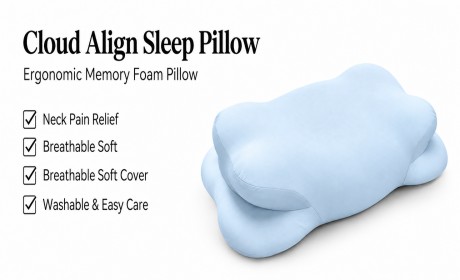
    Cloud-Shaped Ergonomic Pillows: What to Look for When Choosing a Pillow for Better Sleep Comfort A comfortable pillow can make a meaningful difference to your nightly routine. From pillow height to sleeping position, several factors influence how a pillow feels and whether it suits your personal preferences. Cloud-shaped ergonomic pillows have attracted attention for their distinctive contours and modern appearance. But what should you consider before choosing one? 1. What Is a Cloud-Shaped Ergonomic Pillow? A cloud-shaped ergonomic pillow features a sculpted silhouette rather than the traditional rectangular shape. Depending on its construction, the contoured surface may be designed to accommodate the head and neck while providing different areas of support. Its appearance can also make it an appealing option for modern bedding collections, especially for brands looking to offer alternatives to conventional bed pillows. However, the shape alone does not guarantee that a pillow will suit every sleeper. Dimensions, firmness, material, and personal comfort preferences all matter. 2. Why Does Sleeping Position Matter? Different sleeping positions create different pillow requirements. Side Sleepers Side sleepers often need enough pillow height to fill the space between the head and mattress. The appropriate height depends on shoulder width, mattress firmness, and body proportions. Back Sleepers Back sleepers may prefer a contour that comfortably accommodates the head while supporting the natural position of the neck. Stomach Sleepers Stomach sleepers often prefer a lower-profile pillow. A highly contoured or elevated pillow may not suit everyone in this position. Before purchasing an ergonomic pillow, consider the position in which you spend most of the night. 3. What Features Should You Compare? When comparing cloud-shaped and other ergonomic pillows, consider these important details: Pillow height: Check the actual dimensions and available height options. Firmness: Choose a feel that matches your personal comfort preferences. Filling material: Review the actual filling composition and support characteristics. Cover fabric: Look for clear information about softness, breathability, and care. Maintenance: Check whether the cover is removable and washable and follow the manufacturer's care instructions. Product dimensions: Make sure the pillow fits your bed setup and preferred sleeping position. These practical details are more useful than relying on appearance or broad marketing claims alone. 4. Is a Cloud-Shaped Pillow Right for You? A cloud-shaped ergonomic pillow may appeal to shoppers who want a distinctive design and a contoured sleeping surface. It may also be worth considering for people who want to explore alternatives to traditional pillows. Nevertheless, comfort is personal, and the most suitable option depends on individual body proportions, sleeping habits, and material preferences. If you experience persistent neck pain or other symptoms, consult a qualified healthcare professional rather than relying on a pillow alone. 5. How Bedding Brands Can Build a More Distinctive Pillow Collection For bedding retailers and online brands, ergonomic pillows offer an opportunity to develop a product range around sleep comfort, design, and customer preferences. Potential areas for product differentiation include: Distinctive contour shapes Different pillow heights and firmness options Breathable or easy-care cover fabrics Coordinated colors and packaging Private-label branding and customized product specifications Before launching a new pillow, brands should evaluate target-market demand, sample feedback, production consistency, and landed costs. Final Thoughts A cloud-shaped ergonomic pillow combines a distinctive appearance with a contoured design intended for comfortable head and neck support. The right choice depends on more than shape alone: pillow height, filling, firmness, cover fabric, and sleeping position should all be considered. For consumers, these details help guide a more informed purchase. For bedding brands, they provide a practical foundation for building a differentiated pillow collection. Explore the specifications carefully and choose a design that matches your comfort needs and product requirements.
    Read More
  • How to Choose a Lightweight Cooling Comforter for Warm Nights
    How to Choose a Lightweight Cooling Comforter for Warm Nights
    Oct 19, 2026
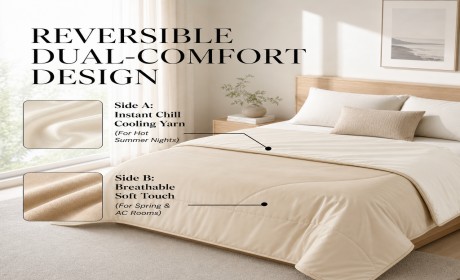
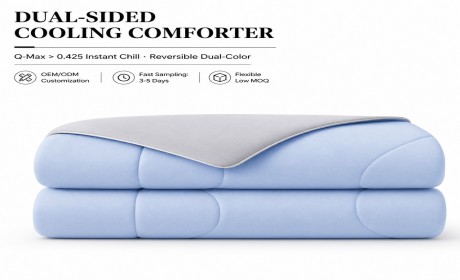
    How to Choose a Lightweight Cooling Comforter for Warm Nights When the weather gets warmer, heavy bedding can feel uncomfortable. Choosing a lightweight cooling comforter can help you create a more comfortable sleep environment while keeping the soft, cozy feeling of a traditional comforter. But what should you look for when shopping for cooling bedding? 1. Choose Breathable Materials The fabric and filling both influence how a comforter feels during the night. Look for materials that allow air to move through the bedding and feel comfortable against your skin. Different fabrics provide different sensations, from smooth and cool-touch surfaces to soft, breathable knitted textures. 2. Look for Lightweight Comfort A summer comforter should provide enough coverage without feeling excessively heavy. Lightweight construction can be particularly appealing to people who prefer a little coverage but do not want the bulky feel of winter bedding. The ideal weight depends on your personal preference, room temperature, and climate. 3. Consider Fabric Texture Some sleepers prefer a silky-smooth surface, while others enjoy a soft, plush texture. If you want both a refreshing hand feel and a cozy appearance, compare the fabric surface, filling, and overall construction before making a choice. A dual-sided design may also offer different textures on each side, if that feature is included in the product. 4. Check Size and Care Instructions Before buying a comforter, compare its dimensions with your mattress and preferred coverage. Also check the washing instructions. Machine-washable construction can make routine care more convenient, but always follow the product label. 5. Choose Bedding That Fits Your Lifestyle Cooling comforters are worth considering for summer bedrooms, warm climates, guest rooms, and people who prefer lightweight bedding. However, cooling performance varies by fabric, filling, and construction, so product specifications and independent test results are useful when available. Final Thoughts A good lightweight cooling comforter should balance fabric feel, breathability, coverage, and easy care. By comparing these features, you can find bedding that suits your preferences and creates a more inviting bedroom for warm nights.
    Read More
  • How to Choose a Luxury Lightweight Cooling Blanket
    How to Choose a Luxury Lightweight Cooling Blanket
    Oct 16, 2026
    How to Choose a Luxury Lightweight Cooling Blanket for Summer When temperatures rise, many people prefer bedding that feels light, soft, and comfortable. A luxury lightweight cooling blanket can be a practical option for summer bedrooms, warm climates, and sleepers who dislike heavy bedding. What Is a Lightweight Cooling Blanket? A lightweight cooling blanket is designed to provide comfortable coverage without the bulk of heavier bedding. Depending on its fabric and construction, it may offer a smooth touch, a breathable feel, and convenient everyday use. When choosing a cooling blanket, consider the material composition, fabric construction, weight, and care instructions instead of relying on the product name alone. 3 Benefits of Lightweight Summer Bedding 1. Comfortable Lightweight Coverage Lightweight bedding is ideal for people who prefer a less bulky layer while sleeping or relaxing. It can also be combined with sheets or other bedding when temperatures change. 2. A Soft, Breathable Feel The fabric and construction of a blanket influence how it feels against the skin and how comfortable it is in different environments. Check the actual material specifications to find the right option for your needs. 3. Versatile Everyday Use A lightweight blanket can be used in bedrooms, guest rooms, and other relaxing spaces. Depending on its size and construction, it may also work as an additional layer on a sofa or bed. How to Choose the Right Cooling Blanket Before buying, consider these factors: Material: Review the exact fabric composition and texture. Weight: Choose a lightweight or heavier option based on your preferences. Size: Check the dimensions to ensure adequate coverage. Care instructions: Confirm whether the blanket is machine washable and follow the manufacturer's guidance. Cooling performance: Look for verified test data if measurable cooling performance is important to you. Not every blanket marketed as cooling delivers the same performance. Material selection, construction, and testing all matter. Upgrade Your Summer Bedding A luxury lightweight cooling blanket combines a light bedding feel with versatile everyday use. Whether you are refreshing a summer bedroom or looking for a comfortable layer for warmer nights, choosing the right material and construction can help you find a suitable option. Explore lightweight cooling bedding and discover a style that fits your bedroom and comfort preferences. Frequently Asked Questions Is a lightweight cooling blanket suitable for summer? It can be a good option for people who prefer lighter bedding in warm weather. Comfort depends on the fabric, construction, room temperature, and personal preferences. What should I look for in a cooling blanket? Check the fabric composition, weight, size, care instructions, and any verified cooling-performance claims. Can a cooling blanket be used throughout the year? That depends on the blanket's warmth level and your local climate. A lightweight design may also be used as a layering piece in cooler weather.
    Read More
1 2 3 4 5 6
A total of6pages

leave a message

leave a message
If you are interested in our products and want to know more details,please leave a message here,we will reply you as soon as we can.
submit

Home

Products

WhatsApp

contact