
What Are You Looking For?
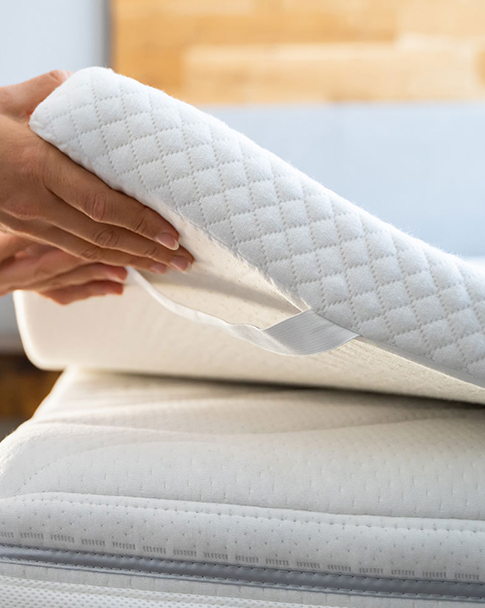

Choosing the right pillow is not simply about softness. Your sleeping position, head and neck alignment, pillow height, and support level can all affect your overall sleeping comfort.
This is where the butterfly ergonomic pillow has become an interesting alternative to traditional rectangular pillows.
A butterfly pillow is an ergonomically shaped pillow designed with contoured sections around the head, neck, shoulders, and arms.
Unlike a traditional rectangular pillow, its butterfly-shaped structure creates different support zones. Some designs also use different pillow heights to give sleepers more flexibility when choosing their preferred support level.
A traditional pillow generally provides one continuous surface. An ergonomic butterfly pillow can use multiple contours to create more targeted support.
The central area supports the head, while the raised neck area helps provide additional neck support. The side sections can also create space around the shoulders and arms, which can be useful for side sleepers.
The goal is not simply to make the pillow softer or firmer. It is to create a pillow structure that better matches different sleeping positions.
Side sleepers often prefer a higher support area to help maintain a comfortable head and neck position.
A contoured butterfly pillow can provide a higher side support zone while creating additional space around the shoulder area.
Back sleepers may prefer a lower profile with support around the neck and head.
A dual-height design can give users more flexibility when choosing the side that feels most comfortable.
Stomach sleepers typically prefer a lower pillow profile. A contoured ergonomic design can provide a lower support option without requiring a traditional thick pillow.
Memory foam is commonly used in ergonomic pillows because it can respond to body pressure and provide a supportive feel.
When combined with an ergonomic shape, memory foam can help create differentiated support zones instead of relying on a flat pillow surface.
Some designs also incorporate ventilation channels or perforations to improve airflow through the foam.
When choosing an ergonomic butterfly pillow, consider:
Pillow height
Neck support structure
Shoulder clearance
Memory foam density
Breathability
Cover material
Removable and washable cover
Suitable sleeping positions
Available size options
A good ergonomic pillow should match the user's sleeping habits rather than simply being marketed as "soft" or "firm."
| Feature | Traditional Pillow | Butterfly Ergonomic Pillow |
|---|---|---|
| Shape | Rectangular | Contoured butterfly shape |
| Support | General support | Zoned ergonomic support |
| Height | Usually one height | Can offer multiple height options |
| Shoulder Space | Limited | Designed with shoulder clearance |
| Sleeping Positions | General use | Designed for different sleep positions |
| Customization | Basic | Shape, height, foam and cover can be developed |
For bedding brands, an ergonomic pillow is more than a new shape.
Product development can involve foam density, pillow height, contour design, ventilation, cover fabric, packaging, and target sleeping positions.
Different markets may also require different pillow sizes, firmness levels, materials, and packaging concepts.
This creates opportunities for brands to develop a butterfly pillow specifically around their target customers instead of selling a generic pillow.
A successful ergonomic pillow starts with understanding the problem consumers are trying to solve.
For example:
Sleeping position → Consumer comfort needs → Pillow structure → Material selection → Prototype → User testing → Product refinement
This process helps turn a simple pillow concept into a differentiated bedding product.
A butterfly ergonomic pillow combines contoured design, targeted support, and flexible height options to create a different approach to traditional pillow construction.
For consumers, the key is finding a design that matches their sleeping position and comfort preferences.
For bedding brands, the opportunity is to develop the right combination of shape, material, support, and user experience for a specific market.
If you are developing a new ergonomic pillow collection, the product should begin with the consumer need—not simply the shape of the pillow.


 IPv6 network supported.